


Table of Contents
- Why Shapewear Rolls Down (And What Actually Fixes It)
- What to Look for in Shapewear That Does Not Roll Down
- How to Keep Shapewear from Rolling: Fit, Sizing, and Wearing Tips
- Best Shapewear for Tummy Control That Actually Stays in Place
- Body-Type Fit Guide: Finding Your Stay-Put Match
- Shapewear Styles Ranked: Which Silhouettes Stay Up Best
- Garment Maintenance and Fabric Longevity
- Frequently Asked Questions
Last Updated: August 27, 2026
Most shapewear rolls down by midday. At TLovePlusSize, we hear this frustration constantly from women who've spent real money on shapewear that simply doesn't stay put. The good news is that rolling isn't inevitable, it's a design failure, and the right garment fixes it completely. This guide covers what causes shapewear to roll, what features to look for, and which styles are worth your time and money.
Quick Picks:
- Best Overall: High-waisted bodysuit with anti-slip silicone grip and seamless construction, ideal for most body types and daily wear
- Best for Short Torsos: Cropped high-waist shaper with flexible boning and lay-flat edges
- Best for Tummy Control: Firm-control waist cincher with nylon-elastane blend and double-layer midsection panel
- Best for Postpartum: Soft-compression seamless shaper with moisture-wicking fabric and adjustable waistband
- Best for Curvy Figures: Full-body shaper with thong back, anti-slip band, and reinforced side seams
Why Shapewear Rolls Down (And What Actually Fixes It)
Shapewear rolls down when the garment's compression force exceeds the grip force holding it in place. The wrong size, weak waistband construction, or poor fit for your body shape causes this imbalance, and the garment migrates downward with every movement.
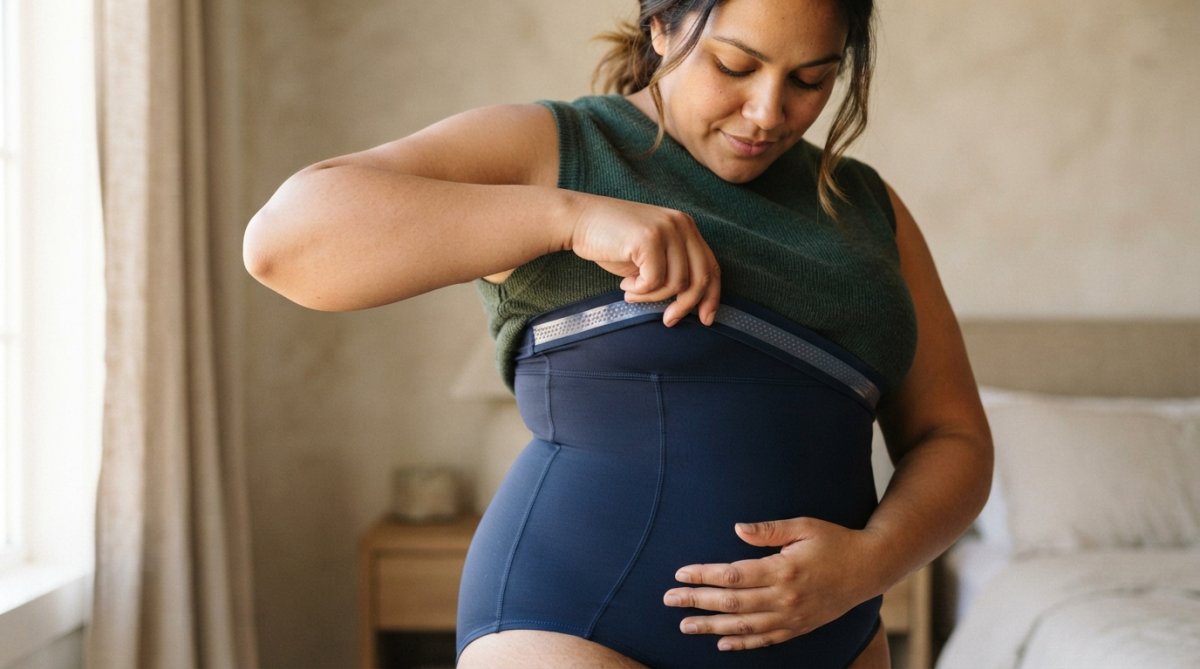
The fix is not wearing shapewear tighter. Tighter garments create more outward pressure, making rolling worse. The three most common culprits are: a waistband lacking grip technology, compression that's too high for the garment's construction, and a silhouette that doesn't match your torso length or body shape.
The Role of Anti-Slip Silicone Grip and Waistband Design
Anti-slip silicone grip is the single most effective stay-put technology in modern shapewear. It's a thin strip of silicone bonded to the inner edge of the waistband that creates friction against the skin, anchoring the garment in place. A wide, multi-row silicone band distributes grip across a larger surface area and holds significantly better through sitting, bending, and walking. Check whether the silicone grip runs the full circumference of the waistband, full-circumference grip is the standard worth looking for.
Waistband construction matters equally. Flexible boning resists folding under pressure, lay-flat edges reduce mechanical stress that causes rolling, and a thick, double-layered waistband distributes compression evenly.
How Short Torsos and Body Shape Affect Fit
Short torsos are the most underserved body type in shapewear design. Most high-waisted shapers are cut for standard torso length, so the waistband sits above the natural waist on shorter frames. Cropped shapers designed for petite torso lengths solve this by shortening the rise so the waistband sits exactly at the natural waist.
Curvy figures with a pronounced waist-to-hip ratio need reinforced side seams and enough stretch in the hip panel to prevent the garment from shifting upward at the hips and downward at the waist simultaneously.
What to Look for in Shapewear That Does Not Roll Down
The best shapewear combines three elements: the right materials, the right construction, and the right compression level for your body and activity.
Materials That Stay Put: Nylon-Elastane and Seamless Construction
Nylon-elastane blend is the gold standard for stay-put shapewear. Nylon provides tensile strength and shape retention; elastane provides the stretch that allows the garment to move with the body without losing compression. Seamless construction eliminates structural weak points created by sewn seams, where thread joining two panels may have slightly different stretch rates, creating roll initiation points over time.
According to Textile World's coverage of performance fabric innovation, nylon-elastane blends with moisture-wicking finishes maintain compression even when the fabric absorbs perspiration. A garment that stays dry stays in place, as wet fabric loses friction against the skin.
Compression Level, Flexible Boning, and Lay-Flat Edges
Firm control sounds better than light control, but firm compression in a garment without adequate structural support creates rolling. Medium compression in a well-constructed garment outperforms firm compression in a poorly constructed one.
Flexible boning, thin, flexible channels of plastic or spiral steel sewn into the garment's panels, prevents folding or collapsing under pressure. For tummy control, boning along the front panel keeps the midsection smooth and prevents the lower edge from curling inward. Lay-flat edges remove the mechanical fulcrum that allows fabric to lever itself away from the body.
How to Keep Shapewear from Rolling: Fit, Sizing, and Wearing Tips
Sizing in shapewear is not the same as your clothing size. Most shapewear brands size by body measurements, not dress size. Buying your dress size in shapewear is one of the most common fit mistakes women make.
| Fit Issue | Likely Cause | Fix |
|---|---|---|
| Waistband rolls down by midday | Garment too large at waist | Size down or choose adjustable waistband style |
| Lower edge bunches under clothing | Compression too firm for torso length | Choose medium control with longer torso cut |
| Sides dig in but waist rolls | Incorrect size distribution | Measure both waist and hips; choose hybrid sizing |
| Rolls immediately when sitting | No silicone grip at waistband | Look for full-circumference anti-slip band |
| Rolls after a few hours of standing | Fabric has lost elasticity | Check fabric content; replace worn garment |
Measure your natural waist and hips before purchasing. If you fall between sizes, size up for comfort, a slightly looser garment with a strong silicone grip outperforms a too-tight garment with a weak waistband.
The Sit Test: How to Know Before You Commit
The sit test is the most reliable real-world evaluation. Put the garment on and sit down fully with your weight distributed. Hold that position for two minutes, then stand and check the waistband position. If the waistband has migrated more than half an inch, the garment will roll during a full day of wear.
Best Shapewear for Tummy Control That Actually Stays in Place
The best shapewear for tummy control combines a reinforced front panel with a waistband that anchors to the body, not just compresses it. Tummy control without waistband stability is a contradiction, the compression force has to go somewhere, and without grip, it pushes the waistband down.
TLovePlusSize designs its shapewear collection specifically for this balance, offering styles that smooth and shape the midsection while moving with the body. For the best tummy control results, look for these features in combination:
- A double-layer front panel with graduated compression
- A high-waisted cut that covers the midsection fully
- Anti-slip silicone grip at both the waistband and leg openings
- Seamless construction through the tummy panel
- Breathable fabric that maintains compression during extended wear
The bodysuit silhouette is the most reliable for tummy control that stays in place, because it anchors at both the shoulders and the crotch, eliminating the rolling problem entirely. For women who find crotch hook closures inconvenient, a high-waisted brief with a strong silicone grip band is the next best option.
According to American College of Obstetricians and Gynecologists guidance on compression garments, graduated compression in undergarments can support abdominal muscles, particularly postpartum, a consideration worth discussing with a healthcare provider for new mothers.
Body-Type Fit Guide: Finding Your Stay-Put Match
Shapewear that does not roll down for one body type may roll constantly on another. The right match depends on your proportions, not just your size.
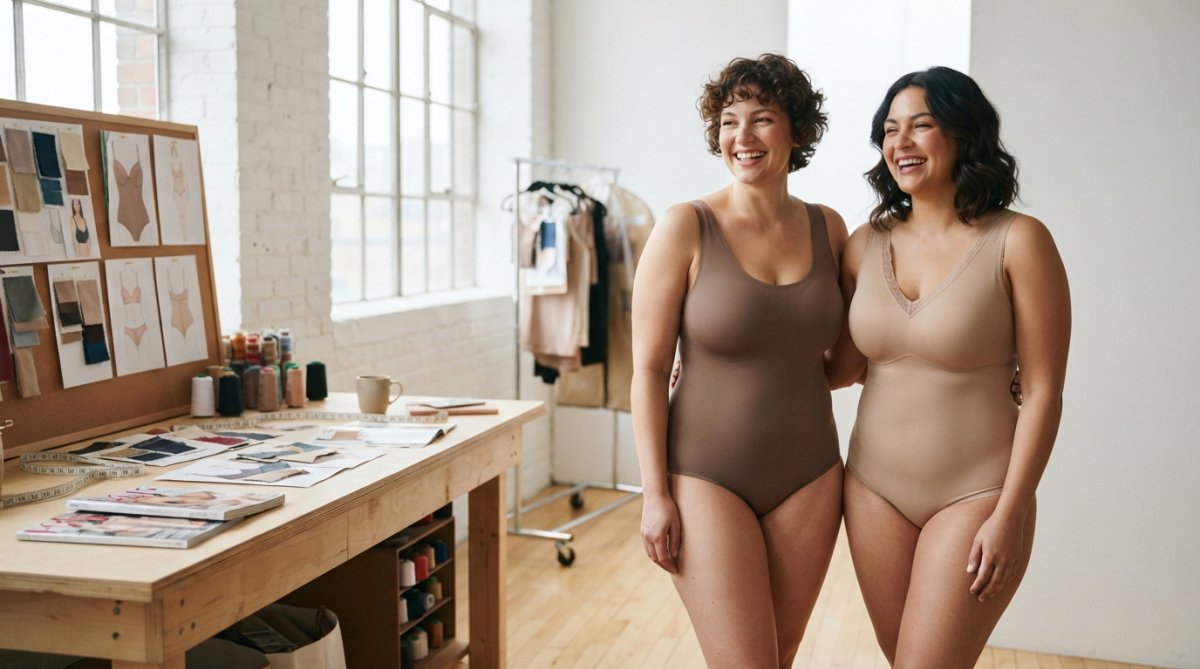
Plus-Size and Curvy Figures
Plus-size and curvy figures need shapewear engineered for a pronounced waist-to-hip ratio. Standard sizing assumes a relatively uniform compression zone, which doesn't account for significant size differences between waist and hip.
Key features for curvy figures: reinforced side seams that handle the stretch differential, four-way stretch fabric that accommodates movement, full-coverage hip panels that don't end mid-thigh, and thong back or high-cut leg options that eliminate bunching.
A common mistake for curvy women is choosing shapewear with a rigid waistband. Rigid bands can't flex to accommodate natural movement, so they pop away from the body and roll. A wide, flexible waistband with silicone grip is the better construction.
Short Torsos and Postpartum Bodies
Short torsos need a cropped rise. Standard high-waisted shapers assume a torso length that many women don't have. If you're 5'4" or shorter, or have a naturally short distance between your natural waist and bust, standard shapewear will sit too high and roll down from the top. Look for shapers described as "petite rise" or "cropped torso", or measure the front rise before purchasing.
Postpartum bodies present a unique challenge because they're changing. The abdomen is often softer and less defined, which means the shapewear has less structural resistance to push against. For postpartum wear, prioritize soft compression over firm control. A gentle nylon-elastane shaper with a wide silicone grip band will stay in place far better than a firm-control garment. As the Cleveland Clinic's postpartum recovery guidelines notes, abdominal muscle recovery after childbirth varies significantly, choose compression that supports without straining healing tissue.
Shapewear Styles Ranked: Which Silhouettes Stay Up Best
Not all shapewear silhouettes are equally resistant to rolling.
| Style | Stay-Put Rating | Best For | Rolling Risk |
|---|---|---|---|
| Bodysuit | Highest | All-day wear, fitted clothing | Minimal, anchors at shoulder and crotch |
| High-waisted brief with silicone grip | High | Office wear, casual daily use | Low with proper sizing |
| Waist cincher / corset shaper | Medium | Shorter wear periods | Moderate, rolls at top edge without boning |
| High-waisted shorts | Medium | Thigh smoothing + waist control | Moderate, can roll at waistband |
| Thigh shaper / slip | Lower | Thigh chafing prevention | Higher, minimal waist anchoring |
Bodysuits are the clear winner for shapewear that does not roll down. The shoulder straps and crotch closure create two anchor points that a waist-only garment can't replicate. The trade-off is bathroom convenience, which is why crotch hook closures matter, a well-designed closure takes seconds to manage.
High-waisted briefs are the most practical all-day option for women who find bodysuits inconvenient. With a full-circumference silicone grip band and proper sizing, they provide reliable waistband stability for eight to ten hours of typical daily activity.
Waist cinchers are the most rolling-prone silhouette because they have the smallest anchoring surface area relative to their compression force. If you prefer a cincher, choose one with flexible boning and wear it for no more than four to six hours.
Garment Maintenance and Fabric Longevity
Shapewear that does not roll down when new will eventually start rolling if the fabric degrades. Elasticity is not permanent, and how you care for your shapewear directly determines how long it maintains its stay-put properties.
The primary cause of premature elasticity loss is heat. Machine washing on hot cycles and tumble drying break down elastane fibers faster than any other factor. Hand-wash nylon-elastane blends in cool water or use a delicate cycle in a mesh laundry bag, then lay flat to dry. Never wring shapewear, as twisting stresses the elastane fibers.
As documented in FTC Care Labeling Rule requirements for textile products, care label instructions are legally required to reflect what the fabric can withstand, follow them precisely for shapewear, where fabric performance is the entire point.
Signs that your shapewear has reached end-of-life: the waistband no longer snaps back immediately after stretching, the fabric looks sheer or pilled in high-friction areas, the silicone grip strip has separated or feels smooth rather than tacky, or the garment rolls within the first hour of wear despite correct sizing.
Most shapewear, with proper care, maintains its compression and grip for six to twelve months of regular wear. Rotating between two or three garments extends the life of each one significantly.
Finding shapewear that stays put all day is genuinely difficult, most garments are designed for the fitting room, not for a full day of sitting, walking, and moving. Women who struggle most with rolling are often buying the wrong silhouette for their body type or the right silhouette in the wrong size. TLovePlusSize's shapewear collection is built for real bodies and real days, with anti-slip construction, seamless fabric, and designs that move with you rather than against you. Explore the collection and find your stay-put match.
Frequently Asked Questions
Why does my shapewear roll down at the waist?
Shapewear rolls down most often because of a sizing mismatch, a waistband without anti-slip silicone grip, or a style not suited to your torso length. When the compression band sits above your natural waist rather than anchoring at your hip curve, body movement during the day pushes it downward. Choosing a style with a wide, bonded waistband and an interior silicone grip strip addresses the root cause rather than just the symptom.
Does sizing up help prevent shapewear from rolling down?
Sizing up usually makes rolling worse, not better. A garment that is too large loses the tension needed to stay anchored, so it slides freely with every step or sit. The fix is accurate sizing based on both your waist and hip measurements, then selecting a style with stay-put technology built into the waistband. If you are between sizes, the general rule for shapewear that does not roll down is to size to your larger measurement.
Are high-waisted bodysuits better at preventing rolling than shorts?
High-waisted bodysuits consistently outperform shorts for staying in place because the shoulder straps or snap crotch anchors the garment from both ends, eliminating the downward slide that shorts experience. For tummy control under fitted clothing, a bodysuit with a thong back or convertible straps offers midsection support without adding bulk. Women with short torsos should look for styles with adjustable straps to prevent the waistband from riding up into the ribcage.
What features should I look for to prevent shapewear from rolling?
Prioritize an interior anti-slip silicone grip band at the waist, seamless construction that reduces friction points, and a nylon-elastane blend with at least 20% elastane for consistent elasticity. Lay-flat edges prevent digging and bunching under clingy fabrics. Flexible boning along the side seams adds waistband stability without restricting movement. For all-day comfort at work, moisture-wicking fabric keeps the garment from shifting as you move.
How do I know if shapewear will stay in place before I buy it?
Before committing, check the product description for silicone grip technology, bonded or banded waistbands, and the fabric composition. Look for real customer reviews from women with a similar body type, specifically mentioning how the garment performs after several hours of sitting and standing. If possible, try the 'sit test' at home: put the shapewear on, sit down for 10 minutes, then stand. If the waistband has migrated more than 2 centimeters, the fit or style is not right for your proportions.