


Table of Contents
- Why Does Shapewear Roll Down?
- How to Choose the Right Shapewear Size to Prevent Rolling
- Silicone Grip Strips: The First Line of Defense
- Adhesive Products and Friction Techniques
- Shapewear Hacks for Comfort and Stability
- Proper Application and Daily Adjustments
- Care and Maintenance to Preserve Elasticity
- Frequently Asked Questions
Last Updated: September 1, 2026
Why Does Shapewear Roll Down?
Shapewear rolling down happens because of a mismatch between compression, friction, and body movement. When elastic loses its grip or your garment doesn't fit your proportions correctly, gravity and motion work against you throughout the day. The problem compounds if you're sitting for long periods, bending frequently, or wearing loose outer clothing that doesn't anchor the shapewear in place.
Most people assume the issue is always poor quality. Sometimes it is. But more often, the real culprit is sizing. A shapewear that's too large will slide down your natural curves. One that's too tight in the wrong places creates pressure points that encourage rolling. Even the best compression knit fails when the dimensions don't match your body.
The second major cause is inadequate silicone grip strips or no-roll bands. Not all shapewear includes them, and when they're absent or positioned poorly, the garment loses its anchor point against your skin. You're relying entirely on compression elasticity to stay put, which weakens throughout the day as the fabric stretches slightly with body heat and movement.
At TLovePlusSize, we've designed shapewear with this exact problem in mind. Our pieces like The High-Waist Thigh Shaper feature silicone no-roll bands positioned at critical anchor points, your natural waist and upper hip area, to keep the garment seated exactly where it should be, even during an eight-hour workday.

How to Choose the Right Shapewear Size to Prevent Rolling
Getting the right size is non-negotiable if you want shapewear that actually stays in place. This is where most people fail. They either size up because they're nervous about compression, or they choose based on their regular clothing size instead of their actual body measurements. Both approaches guarantee rolling.
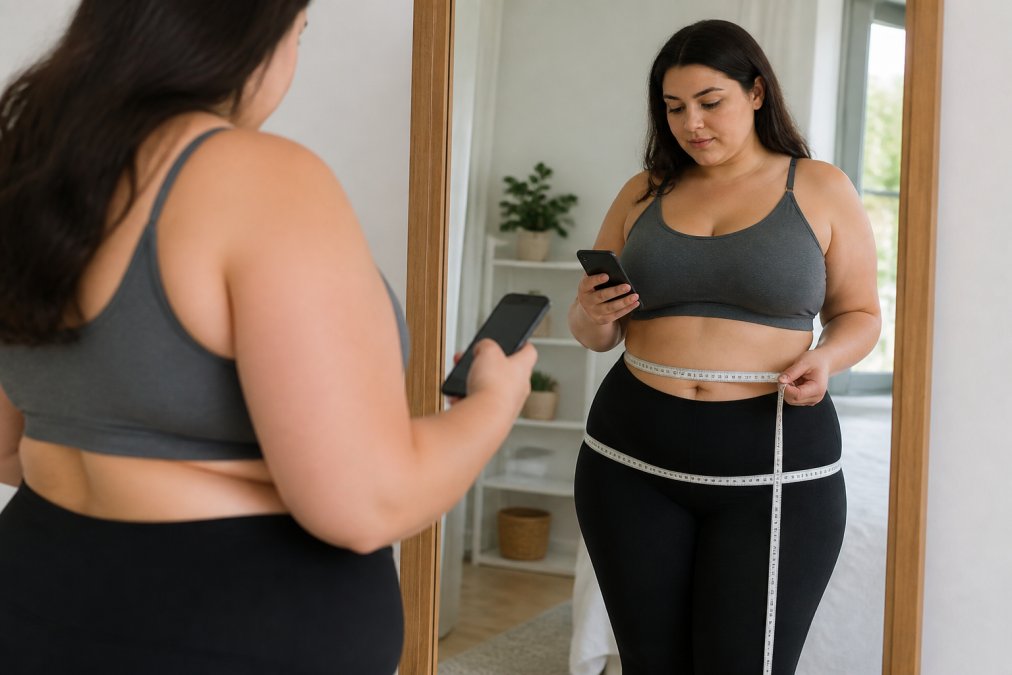
Measure your true waist and hip circumference
Start with a soft measuring tape and measure yourself in the morning before eating or drinking. Measure your natural waist, the narrowest point around your middle, and your hip circumference at the fullest part of your hips. Write both numbers down. Most sizing charts use these two measurements as the primary reference points.
The critical step most guides skip: measure yourself while standing in the position you'll wear the shapewear. If you're buying for office wear, measure while standing upright. If you're buying for sitting-heavy days, measure while seated. Your body dimensions shift slightly depending on posture, and this matters for fit.
Compare your measurements directly to the brand's size chart, not to your usual clothing size. A woman who wears a size 2X dress might be a 3X in shapewear because shapewear is measured by actual body dimensions, not fashion sizing. Brands vary in how they cut their pieces. Some run generous through the hips and tight at the waist. Others do the opposite. Always reference the specific chart for the specific garment you're buying.
Account for body type and weight distribution
Your body shape matters as much as your measurements. If you carry weight primarily in your midsection, you need shapewear with stronger compression through the tummy and a higher waistband that won't roll down as your torso moves. If your weight distributes more through your hips and thighs, you need adequate coverage there or the shapewear will shift upward, creating gaps.
Women with an hourglass shape often struggle with shapewear that's too loose through the rib cage and too tight through the hip. Pear-shaped bodies need more support at the hip and thigh. Apple-shaped bodies benefit from high-waisted designs that anchor under the bust. Understanding where your body naturally carries weight helps you choose a cut that works with your shape instead of against it.
Consider also whether your body is still changing. Postpartum shapewear needs a different approach than everyday shapewear because your measurements may shift week to week. Some women find that buying one size up during the first few months postpartum, then exchanging for their true size once their body stabilizes, prevents the frustration of rapid size changes.
Silicone Grip Strips: The First Line of Defense
Silicone grip strips are the single most effective anti-roll feature in modern shapewear (peer-reviewed research). These are small bands of textured silicone embedded into the fabric, usually at the waistband, hip, and sometimes the leg openings. The silicone grips your skin and creates friction that prevents the garment from sliding.
Not all silicone strips are equal. Thin, low-quality strips wear out quickly and lose their grip after a few washes. Premium silicone strips stay tacky and effective through dozens of wears. The placement matters too. A silicone band at your natural waist keeps the entire garment anchored. Bands only at the leg openings won't stop rolling at the waist.
The High-Waist Thigh Shaper from TLovePlusSize includes a silicone no-roll band positioned at the natural waist and upper hip, the exact anchor points where you need them most. This design means the garment stays seated throughout your day, even during sitting-heavy work or frequent bending.

When shopping, feel the silicone strip if possible. It should feel slightly sticky to the touch, not slippery. Run your finger along it, quality silicone has consistent texture with no gaps or thin spots. If it feels thin or patchy, it won't perform well.
Adhesive Products and Friction Techniques
When silicone strips aren't enough, adhesive products create additional friction between your shapewear and skin. Body adhesive, fashion tape, or specialized shapewear grip products work by creating a temporary bond that prevents sliding.
Apply adhesive sparingly. A light layer along the waistband and upper hip is usually sufficient. Too much adhesive makes removal painful and can damage delicate skin. Let the adhesive set for 30 seconds before putting on the shapewear. This gives it time to become tacky without being wet.
Another friction technique is wearing a fitted undershirt or tank under your shapewear. The layering creates multiple friction points that anchor the shapewear more effectively than skin alone. Cotton or cotton-blend undershirts work better than slippery synthetic fabrics because they grip the shapewear.
Some women swear by body powders or antiperspirant applied to their waist and hip area before putting on shapewear. These reduce moisture and create a slightly drier surface that the silicone grips better. However, this works best in cooler weather. In summer or during physical activity, moisture buildup can actually decrease grip.
Shapewear Hacks for Comfort and Stability
Layering with undergarments and outer clothing
Layering is one of the most underrated anti-roll techniques. Wearing a fitted bra over your shapewear (not under it) creates an anchor point at your upper torso that prevents the entire garment from shifting downward. The bra straps and band create friction against the shapewear.
Your outer clothing also plays a role. Fitted dresses, structured blazers, and snug-fitting tops all help keep shapewear in place through friction. Loose, flowing fabrics offer no resistance, so the shapewear can shift more freely. If you're wearing a loose outfit, you need stronger shapewear or additional anchoring methods.
Consider the fabric of your outer clothing too. Smooth fabrics like satin or silk create less friction than textured fabrics like cotton or linen. If you're wearing a silk blouse over your shapewear, you may need to add an undershirt layer to increase friction and prevent rolling.
Adjustable closures and hook-and-eye systems
The Front-Hook Shaper from TLovePlusSize solves the rolling problem through a completely different mechanism: adjustability. Instead of relying entirely on the perfect fit when you put it on, the hook-and-eye closure down the front lets you tighten or loosen the garment as your day progresses. If you notice it starting to roll by mid-afternoon, you can tighten it without removing your outer clothing.
This feature is a game-changer for women whose body dimensions shift throughout the day, which is most of us. Morning bloating, lunch, afternoon water intake, and evening fatigue all affect how your body sits in the garment. With adjustable closures, you're not locked into one fit for eight hours.
Hook-and-eye systems require a learning curve. The first few times you use them, practice putting on the garment at home where you can see what you're doing. Start with the bottom hooks and work upward, keeping tension even. Uneven tension creates lumps and rolling.
Proper Application and Daily Adjustments
How you put on shapewear matters more than most people realize. Rushing through the process or pulling it on haphazardly creates wrinkles and misalignment that lead to rolling within an hour.
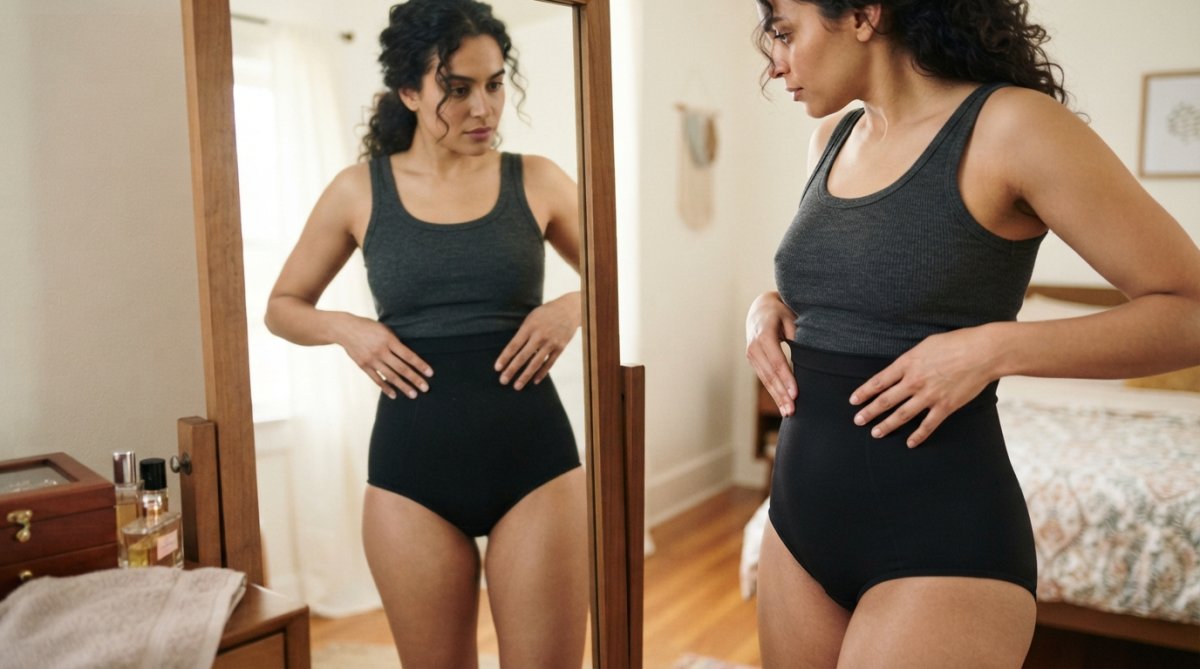
Start by sitting down to put on your shapewear. Step into it one leg at a time, then gradually stand and pull it up. As you pull, smooth the fabric with your hands, working from bottom to top. Pay special attention to the hip area, this is where most rolling starts. Make sure the fabric sits smoothly against your hip bone without bunching or folding.
Once it's on, adjust the waistband so it sits at your natural waist, not your belly button and not your hip bones. Your natural waist is the narrowest point around your middle. This positioning is critical because the silicone grip strips are designed to anchor at this point. If the waistband sits too low, the grip strips won't do their job.
Throughout the day, do micro-adjustments. If you notice it starting to slip, don't wait until it's rolled significantly. A quick adjustment every few hours prevents the problem from getting worse. In the bathroom, take 10 seconds to pull it back up and smooth the fabric. This is much easier than dealing with major rolling.
If you're wearing adjustable shapewear like The Front-Hook Shaper, check the tightness after sitting for extended periods. Sitting compresses your torso slightly, which can loosen the fit. A quick tightening of one or two hooks often solves this before rolling even starts.
Care and Maintenance to Preserve Elasticity
Shapewear fabric loses elasticity over time, and improper care accelerates this process. Elasticity is what creates compression and keeps the garment from rolling. Once it's gone, no amount of silicone strips will help.
Hand wash your shapewear in cool water with mild detergent (the FTC). Machine washing, especially with hot water, breaks down the elastic fibers faster. Avoid fabric softener, it coats the fibers and reduces their ability to grip your skin. Lay flat or hang to dry. Never use a dryer, which applies heat and tumbling that damages the elastic.
Store shapewear flat or rolled, not bunched or folded tightly. Tight folding creates stress on the elastic fibers. If you wear shapewear daily, rotate between two or three pieces so each garment has time to recover between wears. Elastic needs rest to regain its shape (peer-reviewed research).
Inspect your shapewear regularly for signs of wear. If the silicone strips are starting to feel slippery or if the fabric is losing its compression, it's time to replace it. Worn-out shapewear won't stay in place no matter what tricks you use. This is a case where buying quality pieces that last matters.
Pay attention to how different activities affect your shapewear. Sitting for eight hours creates different stress than standing or moving around. If you notice rolling happens only during certain activities, that's valuable information for choosing the right style next time or adjusting your technique for that specific situation.
Shapewear rolling down isn't inevitable, it's a solvable problem once you understand the mechanics. The right size, silicone grip strips, proper application, and daily micro-adjustments keep your shapewear exactly where it should be. If you're tired of constant readjustments, explore pieces designed with stability in mind. The Front-Hook Shaper and High-Waist Thigh Shaper from TLovePlusSize both feature silicone no-roll bands and precision sizing to eliminate rolling throughout your day. Your shapewear should work for you, not against you.
Frequently Asked Questions
Q: What does it mean if your shapewear rolls down?
A: Shapewear rolling down signals one of three problems: incorrect sizing, insufficient silicone grip, or elasticity loss from improper care. If your shapewear rolls down within hours of putting it on, the garment is too large in the waist or hip, or the silicone lining has degraded. Check your measurements against the brand's sizing chart and inspect the silicone band for wear. Proper fit and maintenance prevent rolling.
Q: Can sizing issues cause shapewear to roll down?
A: Yes, sizing is the primary cause. Shapewear that's too large won't anchor properly to your body, causing it to slip and roll throughout the day. Even one size too big creates excess fabric that cannot maintain tension. Measure your waist and hip circumference accurately, then compare to the brand's size chart. Many women need different sizes based on body type and weight distribution, so don't assume your typical clothing size applies to shapewear.
Q: What are the best shapewear hacks for comfort and preventing roll-down?
A: Use silicone grip strips on the inside waistband to anchor the garment to your skin. Layer shapewear under a fitted slip or tank top to reduce friction. Wear adjustable styles like The Front-Hook Shaper, which lets you tighten the fit throughout the day without removing the garment. Apply body-safe adhesive spray to the silicone band for extra hold. Ensure your outer clothing fits snugly enough to support the shapewear without compressing it excessively.
Q: How do I keep shapewear from rolling down at work?
A: Start with correct sizing and silicone grip technology. The High-Waist Thigh Shaper and The Front-Hook Shaper both feature silicone no-roll bands designed to stay anchored during movement. Wear the shapewear under a fitted slip or compression tank to reduce friction and sliding. Avoid tight waistbands on your outer clothing, which can push the shapewear down. If rolling occurs mid-day, adjustable styles with hooks let you retighten without undressing.