


Table of Contents
- What Defines High Quality Plus Size Shapewear?
- The 3-Point Quality Check Before You Buy
- Best Plus Size Shapewear for Tummy Control
- Shapewear Sizing Guide for Plus Size Bodies
- How to Stop Shapewear Rolling Down
- Why Quality Is About More Than a Price Tag
- Your Next Step: Find the Right Fit
- Frequently Asked Questions
Last Updated: September 9, 2026
What Defines High Quality Plus Size Shapewear?
High quality plus size shapewear is defined by three non-negotiable elements: fabric that holds its structure through a full workday, seams that lie flat against the skin, and a cut engineered for actual plus-size proportions rather than scaled-up straight sizes. Quality isn't about how tight a garment pulls, but how evenly it distributes that hold.
Most brands treat "plus size" as an afterthought, adding extra inches to a pattern designed for a smaller frame. That creates waistbands that dig, cups that sit too small, and fabric that rolls when you sit. Quality plus size shapewear starts with a pattern built around a fuller bust, defined waistline, and wider hips.
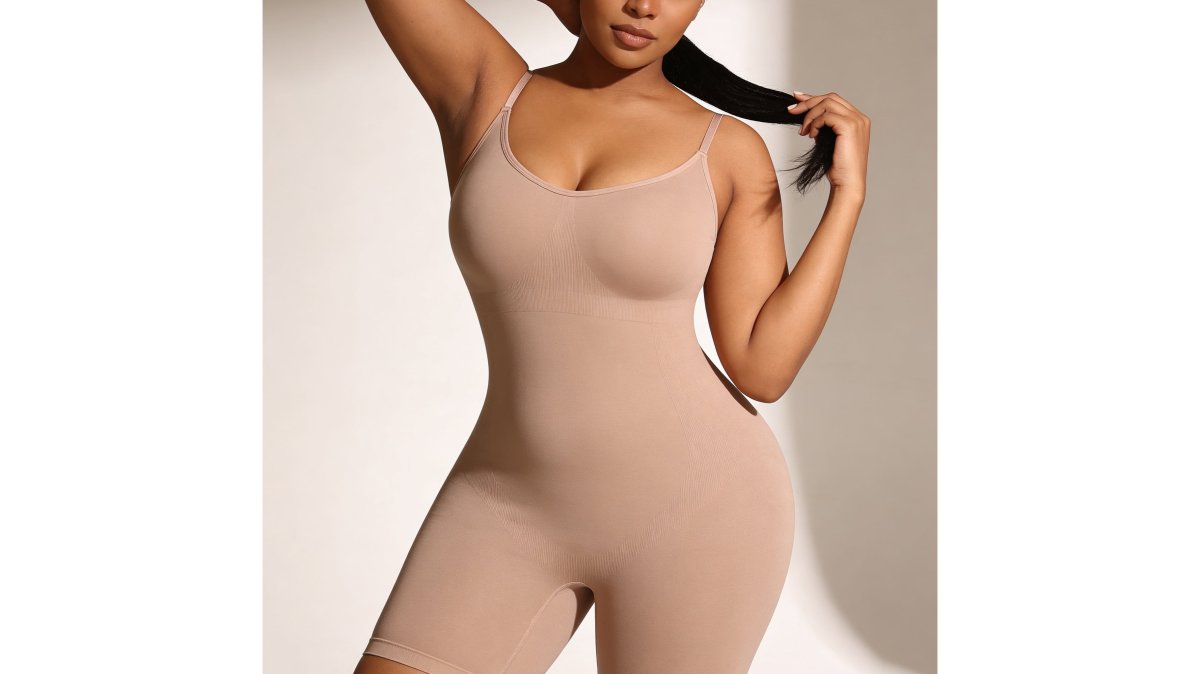
A genuinely well-made garment also accounts for how your body moves. The best fabrics offer four-way stretch that recovers its shape, so the garment doesn't sag by late afternoon. Look for materials that feel substantial without trapping heat.
The Fabric Science Behind Quality
Beyond the basic stretch test, fabric composition determines how a garment performs and feels. The Federal Trade Commission's Textile Fiber Products Identification Act guidance requires brands to list fiber content by percentage, so you can make informed choices before buying. Here's what those labels actually mean for plus size shapewear:
- Nylon (often 70-80%): The workhorse of quality shapewear. Nylon provides smooth, opaque coverage, holds its shape through repeated wear, and dries quickly. It's the primary structural fiber in most high-end garments.
- Spandex/Elastane (often 20-30%): This is the stretch component. Quality garments use a higher spandex percentage (25% or more) for genuine four-way stretch. Less than 15% spandex typically means the garment will lose its recovery power within months.
- Cotton gussets: A cotton-lined crotch panel is a hallmark of quality. It's breathable, moisture-wicking, and prevents irritation in a sensitive area. If a garment skips this detail, it's a cost-cutting red flag.
- Modal or bamboo blends: Increasingly common in premium lines, these fibers add softness and breathability. They're a good choice if you find pure nylon/spandex blends too warm or synthetic-feeling.
Sensory Sensitivities: A Missed Quality Marker
Quality isn't only about how a garment looks or sculpts. For many people, especially those with sensory sensitivities or neurodivergent conditions, the feel of fabric against the skin is the single most important quality metric.
People with sensory sensitivities often avoid shapewear entirely because they associate it with discomfort. But quality plus size shapewear can be designed for sensory comfort.
- Tagless construction: The label is printed directly on the fabric rather than sewn in.
- Brushed or microfiber interiors: These have a soft, almost peach-fuzz texture that feels gentle against sensitive skin, unlike the slick, sometimes clammy feel of standard nylon.
- Flatlock or bonded seams: These lie completely flush with the fabric, eliminating the ridge that traditional overlock seams create.
- No exposed elastic edges: The top and leg bands should be encased in fabric, not left as raw elastic that can dig in.
If you have sensory sensitivities, prioritize garments labeled "seamless" or "tagless," and consider styles with adjustable straps or hook-and-eye closures.
The 3-Point Quality Check Before You Buy
Before you buy high quality plus size shapewear, run every option through a three-point check that catches problems before they reach your closet.
Point one: the roll test. Gently pull the top band of the garment and release it. A quality piece springs back to its original shape immediately. If the fabric wrinkles, stretches out, or feels loose after the release, it will roll down within hours of wear.
Point two: the seam scan. Turn the garment inside out and run your fingers along every seam, especially along the legs and the waistband. High quality plus size shapewear uses flat seams or bonded edges that disappear against the skin. Visible ridges, rough stitching, or bulky seams will show through fitted clothing.
Point three: the fabric flex. Hold a section of the garment in both hands and stretch it horizontally, then vertically. Quality fabric stretches smoothly in both directions and returns to its original size without distortion.
Best Plus Size Shapewear for Tummy Control
For tummy control specifically, the best plus size shapewear targets the midsection with graduated compression rather than a single tight band. Graduated compression applies more pressure at the waistline and less toward the hips.
A high-waist design is the most effective style for tummy control because it covers the entire midsection and prevents the dreaded "muffin top" where the garment ends. The High-Waist Thigh Shaper from TLovePlusSize sits at your natural waist with a silicone no-roll band and extends to mid-thigh, leaving the bust open so you can wear your own bra. At $55, it offers medium-to-firm hold that smooths the tummy, hips, and upper thighs without feeling like a corset.

For full-torso coverage, a bodysuit style distributes tummy control across a larger surface area, which feels more comfortable for all-day wear. The Bodysuit Shaper, priced at $30, handles bra-line smoothing, tummy hold, and thigh coverage in a single layer, so you're not stacking multiple pieces under one outfit. Its open-gusset design makes bathroom trips manageable, a detail that matters more than most guides admit.
The best plus size shapewear for tummy control is the one you'll actually wear. A garment that feels unbearable by 2 p.m. provides no control at all because you'll take it off.
Matching Tummy Control to Your Body Shape
Where your midsection carries weight and how your torso is proportioned determines which style will work:
- Apple-shaped bodies: Weight concentrates around the midsection with a less defined waist. Look for high-waist briefs or shorts with firm front panels that extend from just under the bust to the hips. Avoid styles with a distinct waistband that creates a visible line across the fullest part of your stomach. A full-coverage bodysuit with a wide, non-roll top band distributes compression more evenly and prevents the garment from digging into soft tissue.
- Pear-shaped bodies: Weight concentrates below the waist in the hips and thighs. Tummy control is often secondary to hip and thigh smoothing. A high-waist shaper that extends to mid-thigh or knee handles both areas in one piece. Look for garments with higher compression in the thigh panel and lighter compression across the stomach, so you don't end up with a flat front and bulging sides.
- Hourglass figures: With a naturally defined waist, you need a garment that accentuates rather than hides your shape. A waist-cincher style that targets only the midsection, leaving the bust and hips free, works well. The key is a garment with strong vertical stretch that follows your curves rather than fighting them.
- Rectangle/athletic builds: Less natural waist definition means tummy control needs to create the illusion of a waist. Look for shapers with side boning or reinforced panels that gently pull in the sides while smoothing the front. A bodysuit with adjustable hook-and-eye closures lets you customize the waist compression.
Building a Capsule Shapewear Wardrobe on a Budget
Different outfits and occasions call for different levels of control. Building a capsule collection doesn't require spending hundreds upfront:
Phase 1: The Versatile Starter ($30 or less). Begin with one medium-hold piece that works under most everyday outfits. A high-waist brief or a light-control bodysuit in a neutral shade (black or nude) covers 80% of your wardrobe needs. This is your testing piece, wear it through a full workday, wash it several times, and evaluate whether the hold level and fabric feel match your expectations.
Phase 2: The Occasion Piece ($50-$60). Once you know your size and preferred hold, invest in one firm-control garment for special events, fitted dresses, or days when you want maximum sculpting. This is where spending more makes sense because you're buying for a specific purpose, not just experimenting.
Phase 3: The Rotation Additions ($25-$40 each). Add pieces as your needs become clear. A second everyday shaper means you're not washing and re-wearing the same garment daily, which extends its lifespan. A thigh-shaper for skirts, a camisole-style for low-cut tops, or a postpartum-specific piece if your body is changing.
Postpartum and Changing Bodies: A Special Consideration
Postpartum bodies shift week to week as swelling subsides and your core strengthens. Buying a single expensive firm-control garment in the first weeks after delivery is often a waste of money.
Start with a gentle, high-waist brief in the first month, then transition to medium or firm control after six to eight weeks when your body has settled. Many brands offer postpartum-specific lines with softer compression and higher waistbands designed to support a healing core without putting pressure on a C-section scar. If you're nursing, look for bodysuits with front-closure or drop-cup designs.
Weight fluctuations from medication, stress, or lifestyle changes also affect fit. If you're between sizes or your weight has shifted recently, size up rather than down. A slightly looser garment that stays in place is more effective than a tighter one you can't wear.
Shapewear Sizing Guide for Plus Size Bodies
Getting the right fit starts with measurements, not your dress size. Plus-size bodies vary enormously in how weight distributes across the bust, waist, and hips.
Take three measurements with a soft tape measure: your bust at the fullest point, your natural waist at the narrowest point, and your hips at the widest point. Compare these against the brand's size chart, not your jeans size. Shapewear fits snugly, so if you fall between sizes, size up for all-day wear or size down for maximum sculpting.
A common mistake is choosing shapewear based on your bra size alone. A garment that fits your waist but strains across your hips will ride up; one that fits your hips but gaps at your waist will roll down.
How to Stop Shapewear Rolling Down
How to stop shapewear rolling down has a simpler answer than most brands want you to believe: buy garments with a structural element at the top edge. Silicone grippers, boning, or a wide elastic band anchor the garment at your natural waist.
How to stop shapewear rolling down starts with choosing the right length. A garment that ends at your natural waist, the narrowest point of your torso, has nothing to grip and will roll. Look for pieces that extend either above your natural waist toward your ribcage or below it toward your hips. The High-Waist Thigh Shaper's silicone no-roll band is designed to address this issue.
The second factor is fit. Rolling almost always indicates the garment is too small at the waist, causing the fabric to fold under tension, or too large, leaving excess fabric that bunches. A garment tighter at the top than at the hips will naturally migrate downward.
Why Quality Is About More Than a Price Tag
The lingerie market is crowded with inexpensive options that promise results they can't deliver. Low-cost shapewear often uses thinner fabric, weaker elastic, and simplified construction, which translates to garments that roll, dig, and lose their shape after a few washes. The Federal Trade Commission guidance on product quality claims reminds shoppers that marketing language like "firm control" or "high compression" isn't regulated, so those words alone tell you nothing about actual performance.
A quality garment is an investment in how you feel every day. The difference between a $30 piece that lasts two years and a $15 piece that lasts two months isn't just durability, it's the daily experience of wearing something that stays put, feels comfortable, and looks smooth under your clothes.
Budget-friendly options have their place, particularly if you're new to shapewear or your body is changing. Start with one versatile piece in a medium hold, like the Power Bodysuit Shaper at $30, which comes in three skin tones, then invest in firmer pieces once you know what your body needs.

| Consideration | Budget-Friendly Pick | Investment Piece |
|---|---|---|
| Price Range | $30 or under | $50-$60 |
| Best For | First-time buyers, changing bodies | Everyday staples, special occasions |
| Hold Level | Medium | Medium-to-firm |
| Key Feature | Versatile, easy to match | Stronger compression, structural support |
Quality also means considering how a garment is made, not just how it performs. Sustainable fabric choices and ethical manufacturing are growing priorities for many shoppers, and brands that invest in better materials tend to produce shapewear that lasts longer and feels better against the skin. Consumer guidance on sustainable textile choices notes that fabric composition directly affects both durability and comfort, so checking the material breakdown before purchase is worth the effort.
Your Next Step: Find the Right Fit
Finding high quality plus size shapewear that actually works for your body is a process of elimination, not a single perfect purchase. Start with your measurements, apply the three-point quality check, and choose one versatile piece in a medium hold.
The right shapewear should make you feel more confident, not more restricted. It should disappear under your clothes, stay in place through your workday, and make you forget you're wearing it by lunchtime.
Frequently Asked Questions
What features define high quality plus size shapewear?
High quality plus size shapewear starts with fabric that holds its structure without feeling like a tourniquet. Look for four-way stretch materials that recover their shape after washing. Check the seams: flat or bonded seams prevent visible lines under clothes. A no-roll silicone band at the waist stops the garment from sliding down. Finally, quality means details that serve you, like an open gusset for bathroom trips and adjustable closures, not just decorative lace.
How do I stop my shapewear from rolling down?
Rolling down usually means a sizing or style mismatch, not a flaw in the garment. First, use a measuring tape and follow a shapewear sizing guide, because too-small bands create pressure that causes rolling. Second, choose a style with a silicone grip strip at the top edge. Third, look for high-waisted options that sit at your natural waistline, which gives the band a narrower anchor point than your lower torso.
How do I choose the right size for plus size shapewear?
Measure your bust, waist, and hips with a soft tape measure, not the size you wear in jeans. Compare those numbers to the brand's specific size chart, since sizing varies between labels. If you fall between sizes, size up for everyday wear and size down only for short, special occasions. A shapewear piece should feel snug but allow you to breathe and sit comfortably. When in doubt, order two sizes and return the one that does not fit.
Is it safe to wear shapewear every day?
Yes, it is safe when the garment fits correctly and you are not using it to restrict breathing or digestion. High quality plus size shapewear provides medium support that smooths your silhouette without acting as a corset. Choose pieces with breathable cotton or moisture-wicking fabric for all-day comfort. If you experience numbness, tingling, or acid reflux, the garment is either too small or too compressive for daily wear. Listen to your body and size up if needed.
Finding shapewear that fits your proportions, stays put, and feels comfortable all day is harder than it should be. TLovePlusSize designs pieces specifically for plus-size bodies, with open-gusset convenience, silicone no-roll bands, and multiple skin tones so your shapewear works as hard as you do. Explore the collection and find the piece that moves with your confidence.