


Table of Contents
- Why Postpartum Shapewear Supports Your Recovery
- When to Start Wearing Shapewear After C-Section
- How to Stop Shapewear Rolling Down
- How Long to Wear Postpartum Girdle
- Choosing the Right Size and Fit for Your Body
- Supporting Core Muscles and Diastasis Recti
- Safety Precautions and Circulation Risks
- Frequently Asked Questions
Last Updated: September 13, 2026
Why Postpartum Shapewear Supports Your Recovery
The weeks after birth are a healing transition, not a fitness test. Postpartum shapewear is a supportive garment worn after delivery to gently compress the abdomen, waist, and hips, offering light abdominal support while your body recovers. Unlike a waist trainer or everyday corset, it works with your changing body rather than against it.

For many women, that support shows up in small, practical ways: less strain when standing up, less discomfort from a tender incision, and a smoother silhouette under clothes. We hear from new mothers who want support that feels like a hug, not a clamp. The key is understanding what these garments do, what they don't, and how to wear them safely.
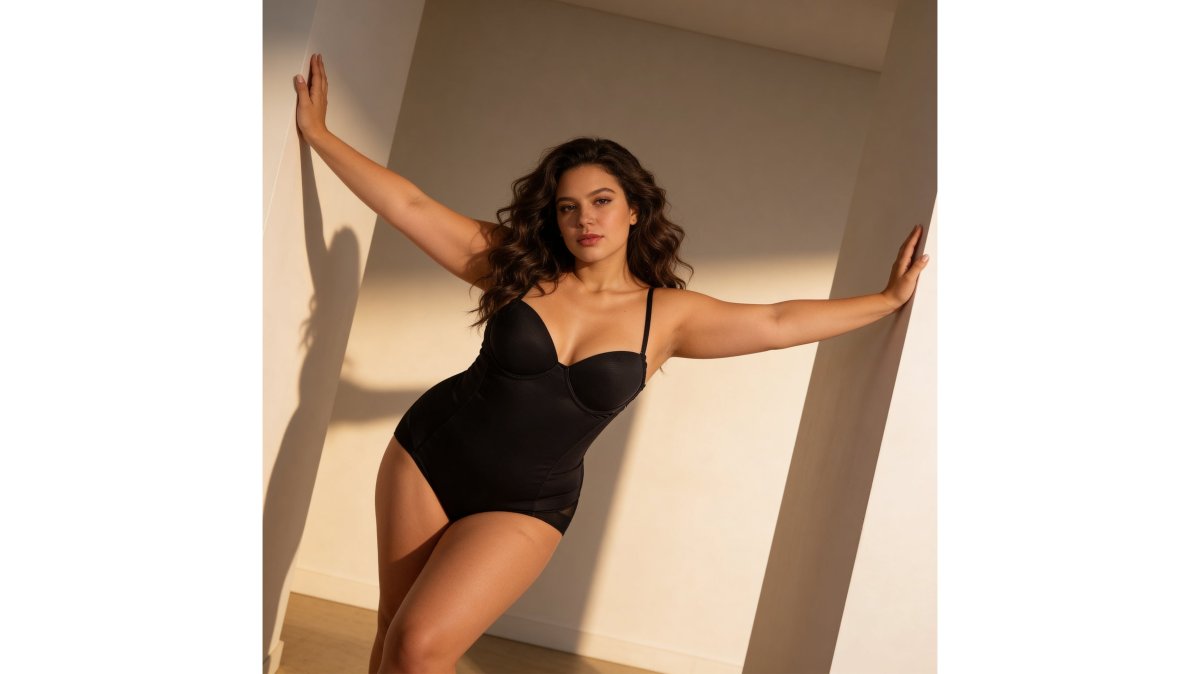
Compression Garments vs. Shapewear: Key Differences
The two terms get used interchangeably, but they are not the same thing. Medical-grade compression is a physician-prescribed garment engineered to deliver a measured, graduated pressure for clinical reasons, such as supporting circulation or reducing swelling after surgery. Shapewear is a consumer garment built for smoothing and shaping the silhouette.
A postpartum girdle or abdominal support band usually sits somewhere in between. Many brands market flexible compression that feels lighter than medical-grade products. If your doctor has prescribed a specific compression level, follow that guidance first. Cosmetic shapewear is not a substitute for a prescribed device, and it should never be so tight that it restricts blood flow.
When to Start Wearing Shapewear After C-Section
A C-section is major abdominal surgery, and the incision heals in layers: skin, fat, fascia, and the uterine wall. Each layer closes on its own schedule, which is why timing your compression matters more after a C-section than after a vaginal delivery.
Most practitioners advise waiting until your provider clears you, typically at the two- to six-week postpartum visit (acog.org). That visit is when your OB or midwife checks the incision for closure, evaluates for infection, and confirms that swelling has begun to resolve. Starting compression before that clearance can trap moisture against the healing line, increase pressure on a suture or staple line, and slow the transition from inflammation to repair.
What Provider Clearance Actually Means
"Cleared" is not a single green light. Ask your provider three specific questions at that visit:
- Is the incision fully closed at the skin layer, or are there still scabbed or open areas?
- Is there any sign of seroma, hematoma, or infection that would make pressure risky?
- What compression level do you recommend, light support, moderate, or medical-grade?
If the answer to the first two is anything other than a clean yes, hold off on compression and re-check in a week.
C-Section Specific Recovery Protocols
Once cleared, the goal is support without pressure on the scar itself.
- Choose a high-waist design that sits above the incision line, not across it. A panel that crosses the scar can rub against numb or hypersensitive tissue and delay healing.
- Look for hook-and-eye or Velcro closures you can loosen as the day goes on. Swelling fluctuates, and a garment that fit at 8 a.m. may dig in by 3 p.m.
- Start with short stretches, one to two hours, then extend gradually. Build to longer wear only if the incision stays calm.
- Check the incision daily for redness, warmth, swelling, discharge, or a new increase in pain. Any of these warrants removing the garment and calling your provider.
- Skip rigid corsets and steel-boned waist trainers during the first several weeks. Soft, seamless, adjustable compression is the safer starting point.
A common mistake is buying firm-compression shapewear right away because it feels more supportive. Firmer is not better on a fresh incision. Start light, and only increase hold once the scar is fully closed and your provider agrees.

The First Two Weeks After Clearance
A practical pattern many new mothers follow: wear the garment for one to two hours during the most active part of the day, then remove it for a rest period. Add an hour every few days as tolerated. Keep it off overnight. If the incision looks angrier after a wear session than before, back off for a day and reassess.
How to Stop Shapewear Rolling Down
Rolling down is a common complaint, and it almost always comes down to fit, not the garment itself. A shaper that rolls has either lost its grip or was never sized correctly.
Three fixes solve most cases:
- Size up, not down. A too-small garment digs in and rolls. Your correct size should feel snug, never painful.
- Choose a no-roll band. Look for a silicone-lined waistband that grips the torso instead of sliding.
- Position it correctly. The top edge should sit at your natural waist, not on the softest part of your belly.
A front-hook design also helps, because you can adjust the tension as your body changes through the day. If a garment still rolls after these fixes, the size or the cut is wrong for your proportions.

How Long to Wear Postpartum Girdle
There is no single number that fits everyone, but most women wear postpartum support for a few weeks to a few months, tapering off as core strength returns. Your recovery timeline is individual, so let comfort and your provider's advice guide the daily wear duration.
A practical approach is to start with two to three hours a day and build up. Wear it during activity when you want extra abdominal support, and take it off for sleep. If you feel dependent on it after several weeks, that's a signal to check in with a physical therapist about building core stability instead.
Choosing the Right Size and Fit for Your Body
Fit is where most shapewear decisions succeed or fail, and postpartum fit is trickier than everyday fit because your measurements change week to week. Measure your waist, hips, and torso length, then match those numbers to the brand's size chart rather than your pre-pregnancy clothing size. A size medium before pregnancy is not a reliable guide at three weeks postpartum.
Because your body is still changing, adjustable closures matter more than a perfect initial fit. A garment you can tighten or loosen as swelling resolves will serve you longer than a fixed-size piece.
| Feature | What to Look For | Why It Matters |
|---|---|---|
| Waistband | Silicone no-roll band | Prevents rolling down |
| Closure | Hook-and-eye or front hooks | Adjusts as your body changes |
| Leg length | Mid-thigh or high-waist | Matches your outfit and coverage needs |
| Fabric | Breathable, moisture-wicking | Reduces heat and skin irritation |
| Seams | Flatlock or bonded, not bulky | Prevents rubbing on sensitive skin |
guidance on postpartum recovery from the Office on Women's Health
Material Science and Skin Sensitivity
Postpartum skin is often more sensitive, and a healing incision is prone to irritation. The fabric you choose matters as much as the size.
- Moisture-wicking synthetics (nylon blends with spandex, or polyester-spandex knits) pull sweat away from the skin and dry faster than cotton. Cotton feels soft but holds moisture against the incision, which can soften and irritate healing tissue.
- Latex-free construction matters if you have a latex sensitivity. Many compression garments use latex-based elastic; look for the label to say latex-free if that is a concern for you.
- Antimicrobial finishes are marketed heavily but vary widely in durability. Treat them as a nice-to-have, not a substitute for washing the garment regularly.
- Seamless or bonded construction reduces friction points. Heavy lace panels and thick seams against the belly or incision are common culprits for chafing.
If you have sensitive skin or an incision still healing, patch-test a new garment for a short stretch before committing to all-day wear. Wash new garments before the first wear to remove manufacturing residue.
Budget-Friendly vs. Medical-Grade: What You Are Actually Paying For
There is a real cost gap between over-the-counter shapewear and medical-grade compression, and it helps to know which one you actually need.
- Over-the-counter shapewear and postpartum bands are typically sold in retail sizes (S, M, L) and deliver light, non-graduated compression. They are fine for comfort and silhouette smoothing, and most people can buy them without a prescription.
- Medical-grade compression garments are sized by measurement, deliver graduated pressure (tighter at the bottom, lighter at the top), and are often prescribed after surgery. They cost more because of the engineering and sizing precision.
Insurance coverage is the part most guides skip. Medical-grade compression is more likely to be covered when it is prescribed for a documented medical reason, for example, to manage lymphedema or post-surgical swelling, rather than for cosmetic shaping (medicare.gov). Coverage varies by plan, so the practical step is to ask your provider whether a prescription is appropriate for your situation and then check with your insurer before buying. If you are paying out of pocket, a well-fitted over-the-counter postpartum band is often enough for routine recovery support.
Supporting Core Muscles and Diastasis Recti
Shapewear supports your core from the outside, but it does not rebuild it. Diastasis recti is a separation of the abdominal muscles along the midline, common after pregnancy, and it needs targeted exercise, not compression alone.
Think of a postpartum girdle as scaffolding: it holds the transverse abdominis and surrounding muscles while you rebuild strength through guided movement. Pairing compression with physical therapy exercises, such as deep breathing and gentle pelvic tilts, gives you the best of both. The garment supports; the exercises restore.
Safety Precautions and Circulation Risks
Compression is only helpful when it's gentle. A garment that's too tight can restrict blood flow, cause numbness, and worsen swelling rather than reduce it.
Watch for these warning signs and remove the garment if they appear:
- Numbness, tingling, or cold skin
- Increased swelling in the legs or feet
- Redness, pain, or drainage at the incision
- Shortness of breath or chest discomfort
None of these are normal, and any of them warrants a call to your provider. Choose physician-approved, flexible compression and adjust the fit as your body changes. Support should feel reassuring, never restrictive.
Frequently Asked Questions
How soon after birth can I wear shapewear?
For vaginal delivery, many women can start wearing gentle postpartum shapewear within a few days, but always check with your doctor first. After a C-section, you typically need to wait until your incision has healed enough, often around 2 to 4 weeks. The key is to start with light compression and see how your body responds. If you feel pain, numbness, or increased swelling, stop and consult your healthcare provider.
What is the difference between medical-grade compression and standard shapewear?
Medical-grade compression garments are designed to deliver specific, measurable pressure to support circulation and reduce swelling after surgery or childbirth. Standard shapewear focuses on smoothing the silhouette and may not provide therapeutic compression. For postpartum recovery, look for garments labeled as medical-grade or physician-approved, especially if you have had a C-section or experience significant swelling. Always follow your doctor's guidance on the right level of compression for your needs.
How do I prevent shapewear from rolling down during recovery?
To stop shapewear from rolling down, choose a style with a silicone no-roll band or adjustable closures like hook-and-eye. Make sure the fit is snug but not too tight; if it's too small, it will roll. Put it on by rolling it up your legs and adjusting the waistband to sit flat on your skin. Avoid lotions or oils under the band, as they reduce grip. If rolling persists, try a high-waist style that extends to your bra line for more stability.
What is the best shapewear for post-pregnancy recovery?
The best postpartum shapewear depends on your delivery and comfort. For C-section recovery, look for high-waist styles that avoid the incision and offer adjustable closures. For vaginal delivery, a supportive bodysuit or girdle with medium compression can help with swelling and core support. Prioritize breathable, hypoallergenic fabrics and a fit that stays in place. For example, The Postpartum Shaper Bodysuit offers a built-in soft bra, a smooth front through the abdomen, and a mid-thigh leg in a lightweight polyester that breathes through the day, providing medium support for daily wear.
Postpartum recovery asks a lot of your body, and the right support can make the daily transition easier. TLovePlusSize designs shapewear that moves with your confidence, from the medium-hold Postpartum Shaper Bodysuit with its built-in soft bra to the adjustable Front-Hook Shaper you can tighten or loosen as the day goes on. Explore the collection and find support that feels like you. Explore Now